
Planning and buying across channels with accountability, so spend follows audiences instead of leftover inventory.
Media planning and buying is how we decide where a message should run, what it should cost, and how we will know it worked. PAGE plans television, radio, digital, out of home, print, and mail as one system, then buys with enough discipline that leftover inventory does not become the strategy.
What does media planning include?
Audience definition, channel mix, flighting, negotiation, trafficking, and in-flight changes when the first leads tell us the brief was slightly wrong. We use market analysis to raise conversions and keep brand memory from decaying between bursts.

How we work it
Start with who must see it, not which vendor has a package this month.
Place the mix, then read early lead quality and shift weight toward the placements that produce it.
Connect call tracking, URLs, analytics, and CRM so a spot is not a mystery the week after it airs.
Market analysis first. Then the mix. Then the proof.
TelevisionBroadcast and cable in areas with a real concentration of the audience.
RadioLive reads and produced spots on AM, FM, satellite, and streaming audio.
DigitalDisplay, paid social, search, and programmatic when the audience is online.
Direct MailPostcards, letters, dimensional mailers, and catalogues with a trackable offer.
Out of HomeBillboards, wallscapes, transit, kiosks, wraps, and posters.
PrintNewspapers and local, regional, and national publications.
Read the first leads
Early response tells us whether the audience definition was right. We treat the first weeks as a live sample, not a victory lap.
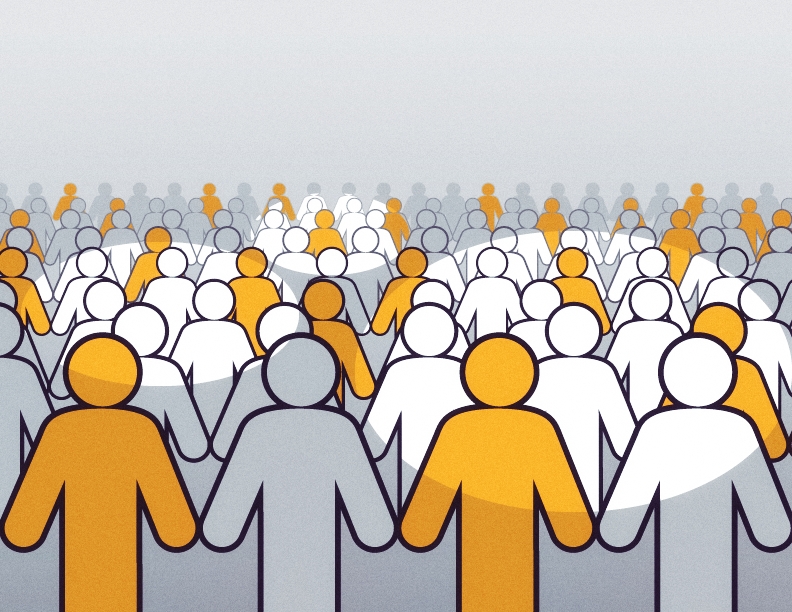
Tighten the target
While the campaign is still in market, we shift placements toward the people who look like qualified leads.
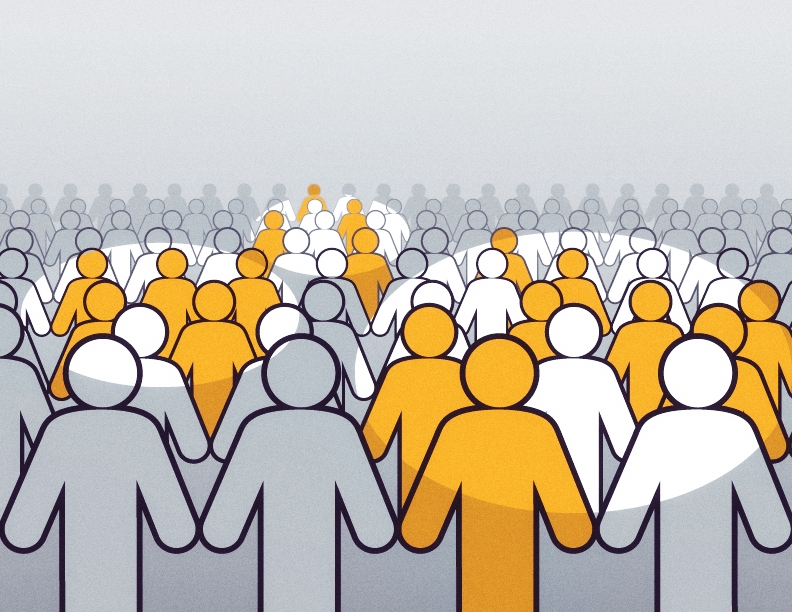
Find the next pocket
Once the core is working, we look for adjacent groups and give them creative and media that fit, instead of cloning the first buy.
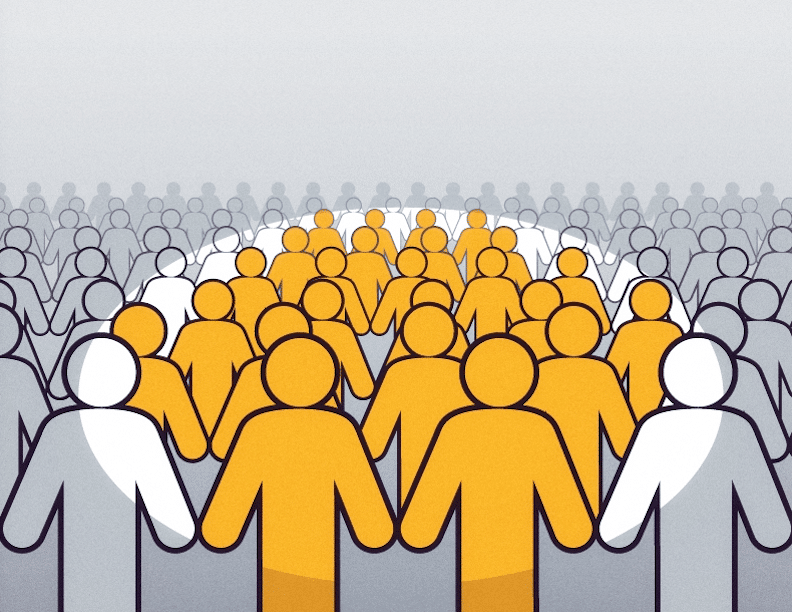
Protect the budget
We keep concentrating spend on the highest volume of qualified leads so the last dollar works as hard as the first.
Tracking URLsFollow a person from the placement to the page, not only a session count.
Call trackingConnect a phone conversion back to the spot that earned it.
Web analyticsWe read behavior for decisions, not for dashboards that look busy.
CRM integrationLeads land in a system someone can actually work, with source attached.